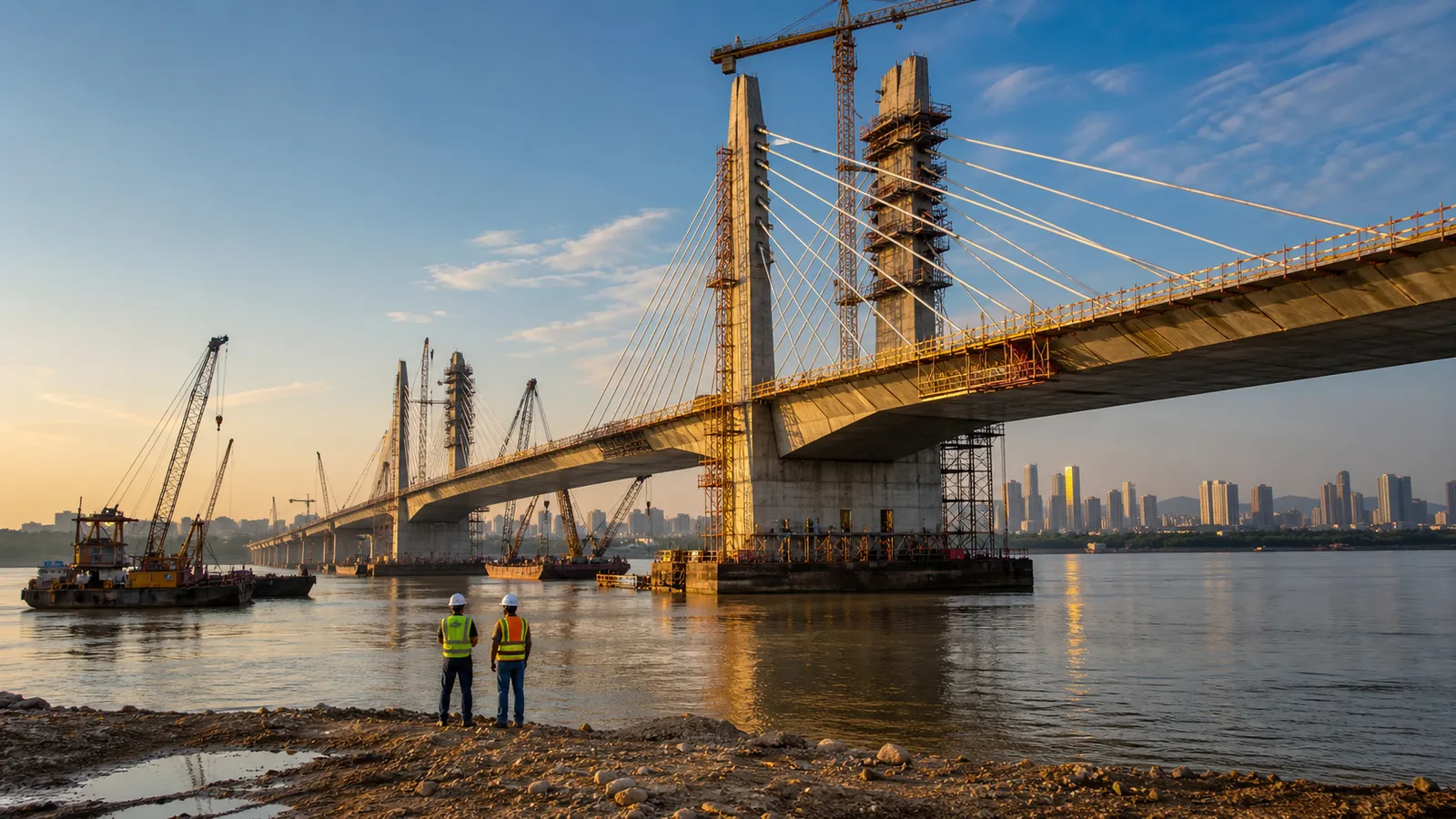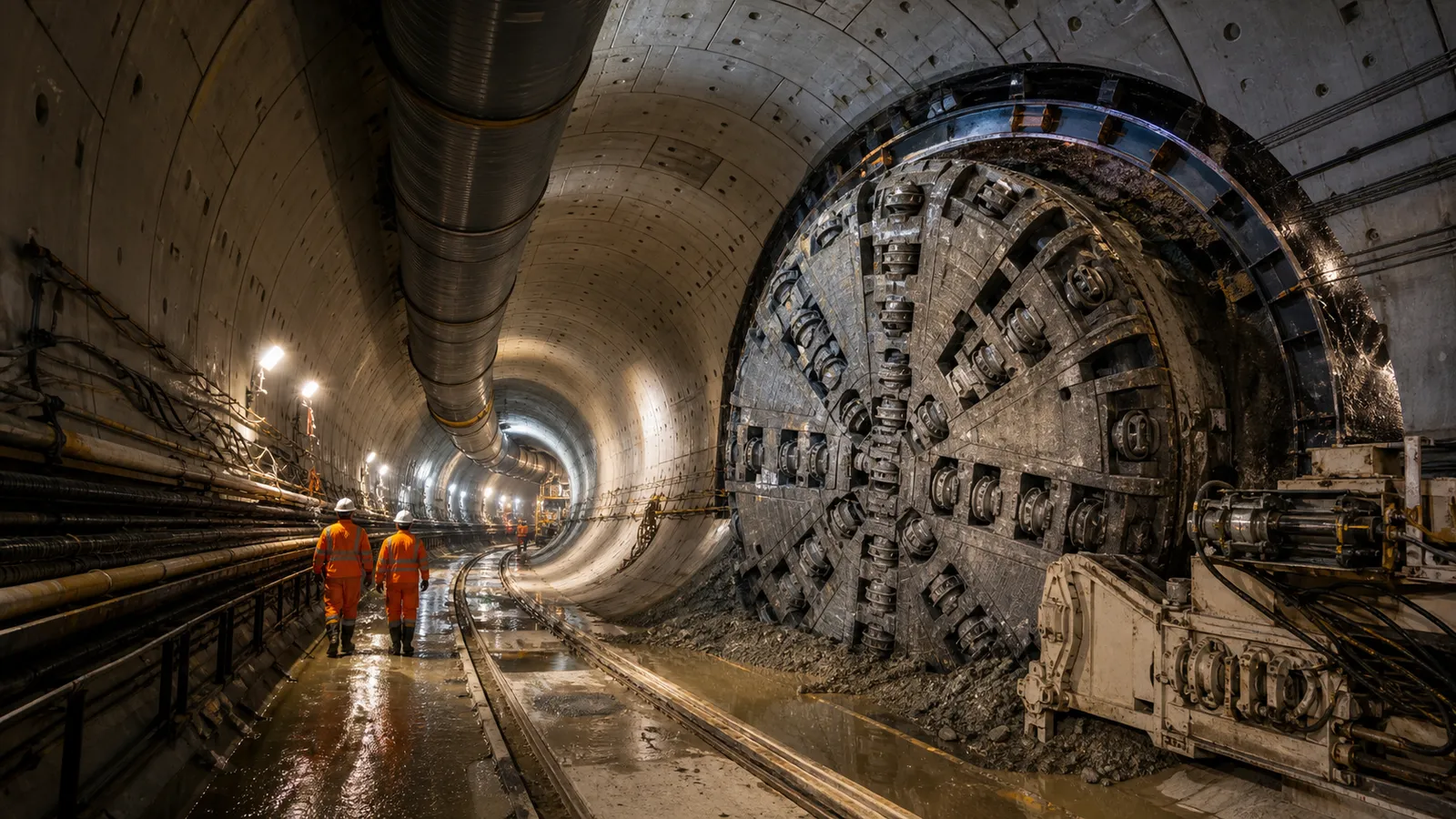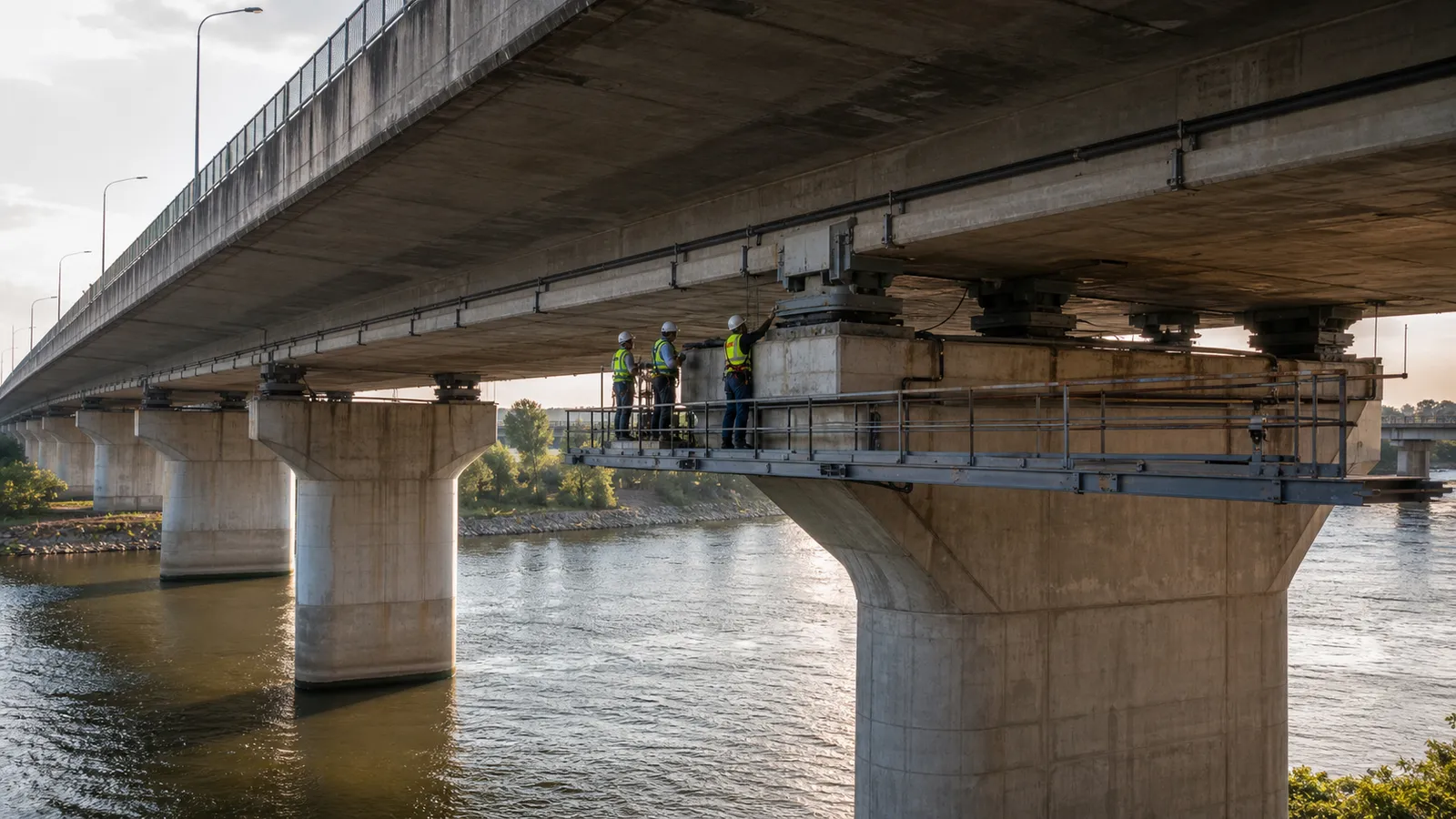
Safety is engineered long before the site fence goes up. How design-stage decisions remove hazards a method statement can only mitigate.
Construction safety is too often framed as vigilance on site: helmets, harnesses, toolbox talks. Those matter. But the largest safety gains are made months earlier, at the drawing board, where a hazard can be designed out entirely rather than merely controlled.
Prevention-through-design means asking, for every element: can this be built without putting a person in harm's way at all? Precasting a segment in a controlled yard removes work at height on the viaduct. Designing a lift so it never passes over an occupied area removes the risk of a dropped load.
The safest hazard is the one the design removed. Everything after that is mitigation.
We bring our HSE leaders into design reviews, not just method-statement sign-offs. The result is a project that is inherently safer before the first crew arrives, and a culture where the question 'how will someone get hurt building this?' is asked while it is still cheap to answer.
Zero harm is not a poster. It is a design input, weighted like cost and programme, and on our sites, it outranks both.
This is an illustrative article for a concept site. Meridian Infrastructure is a fictional group created to demonstrate 4AM Tech's web design and engineering.