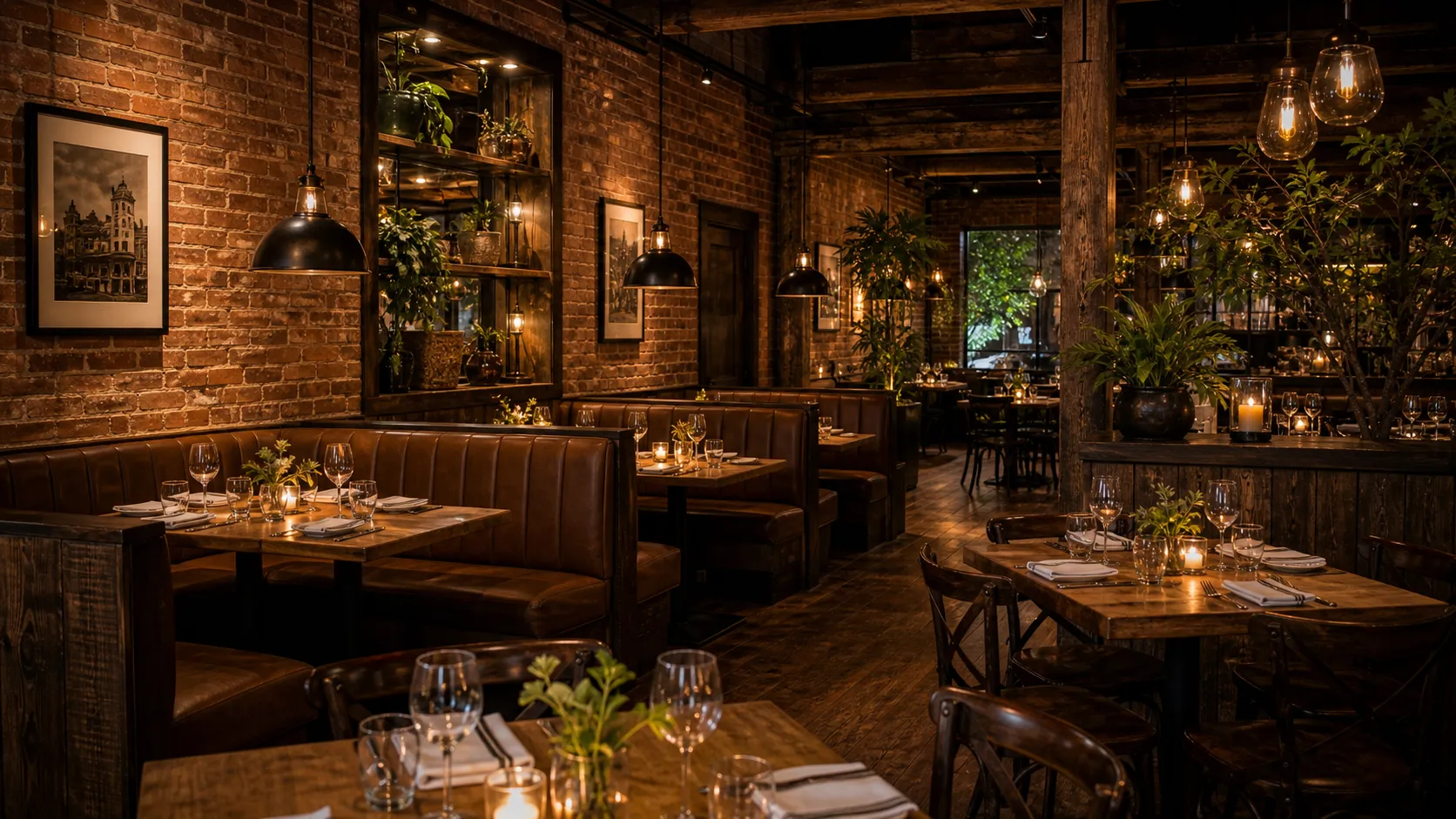
Our Story · Est. 2018
Lit in 2018
How a 1920s Fort warehouse became the city's all-day dining room.
Our Story · Est. 2018
How a 1920s Fort warehouse became the city's all-day dining room.
No. I The Beginning
Aanya Kapoor kept walking past it on her dawn runs, a shuttered 1920s warehouse on Marine Parade, its iron doors bolted, its brick still holding the night's cool.
She knew the city eats in shifts. Mill workers at seven, bankers at one, theatre crowds spilling out at midnight, yet the great kitchens kept banker's hours. One morning she stopped, looked up at the dark windows, and wrote a single line in her notebook: “a house that keeps every hour.”
Then, a chance pop-up dinner in Bandra, 2017. Chef Matteo Ferrante was cooking; Aanya sat at table nine and stayed past closing. The two argued happily about breakfast until two in the morning. The argument became a building, and the building became Candela.
No. II The Years
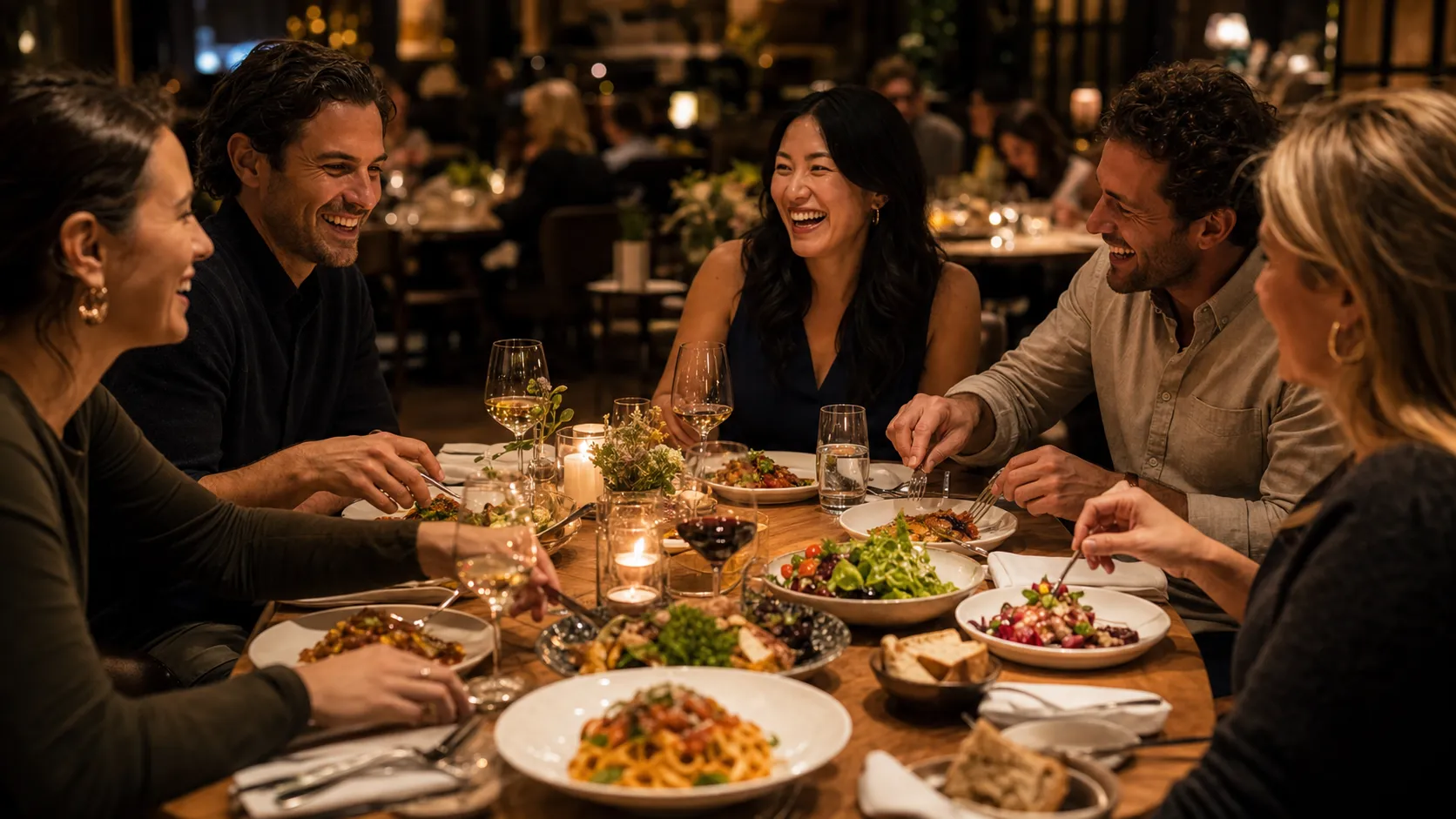
A Bandra pop-up, table nine, and an argument about breakfast that never really ended.
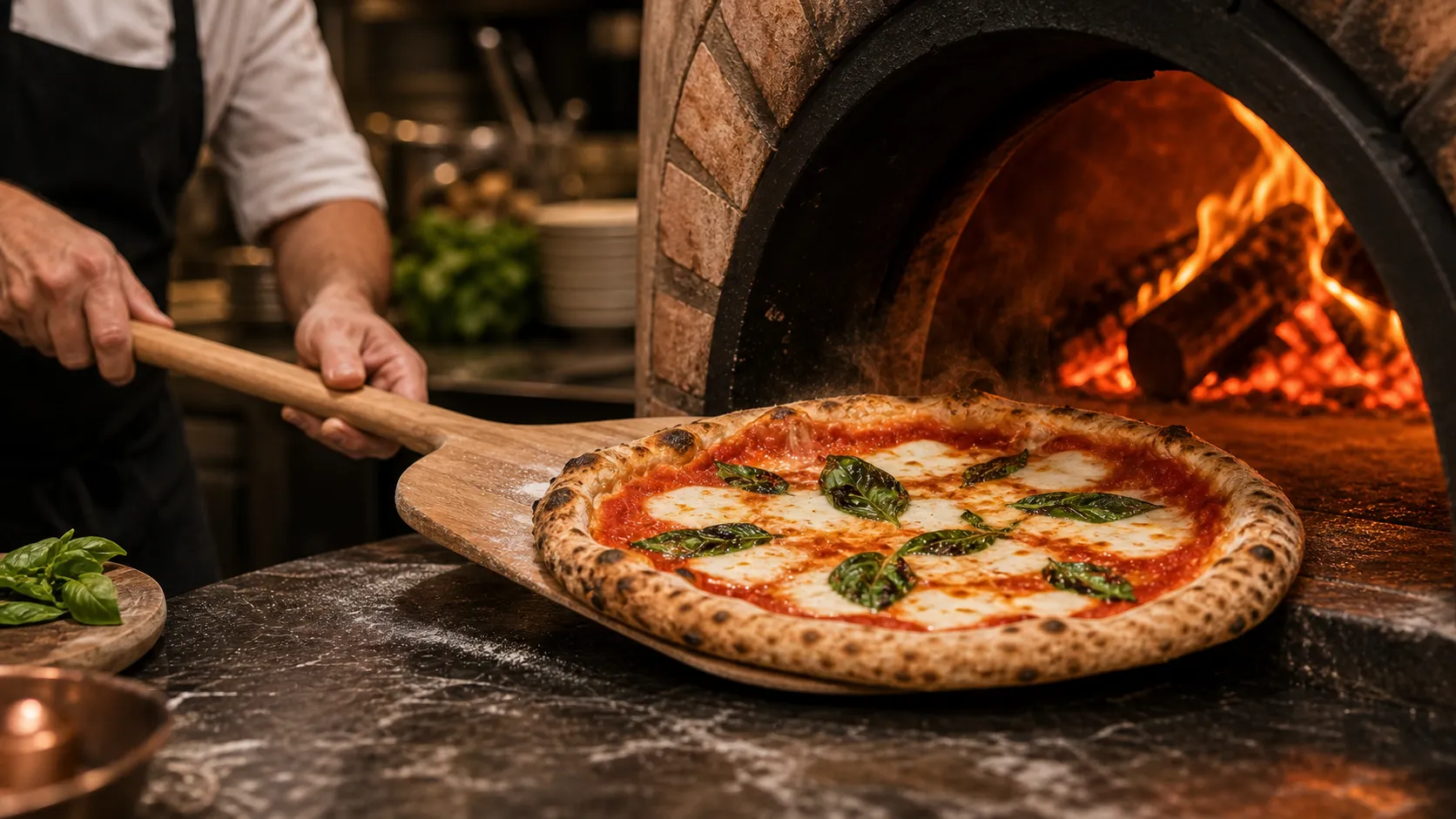
The warehouse opens as an 86-cover dining room. The wood-fire is lit on a Tuesday; it has not gone out since.
The raw bar and the tandoor join the fire, then the pasta atelier and the patisserie. One menu, written by the clock.
After Dark begins: digestifs, desserts and the skyline until one.
The cellar crosses 400 wines; the Cellar Table seats ten amongst them.
Sunday brunch under the trees becomes a Fort institution.
No. III The Craft
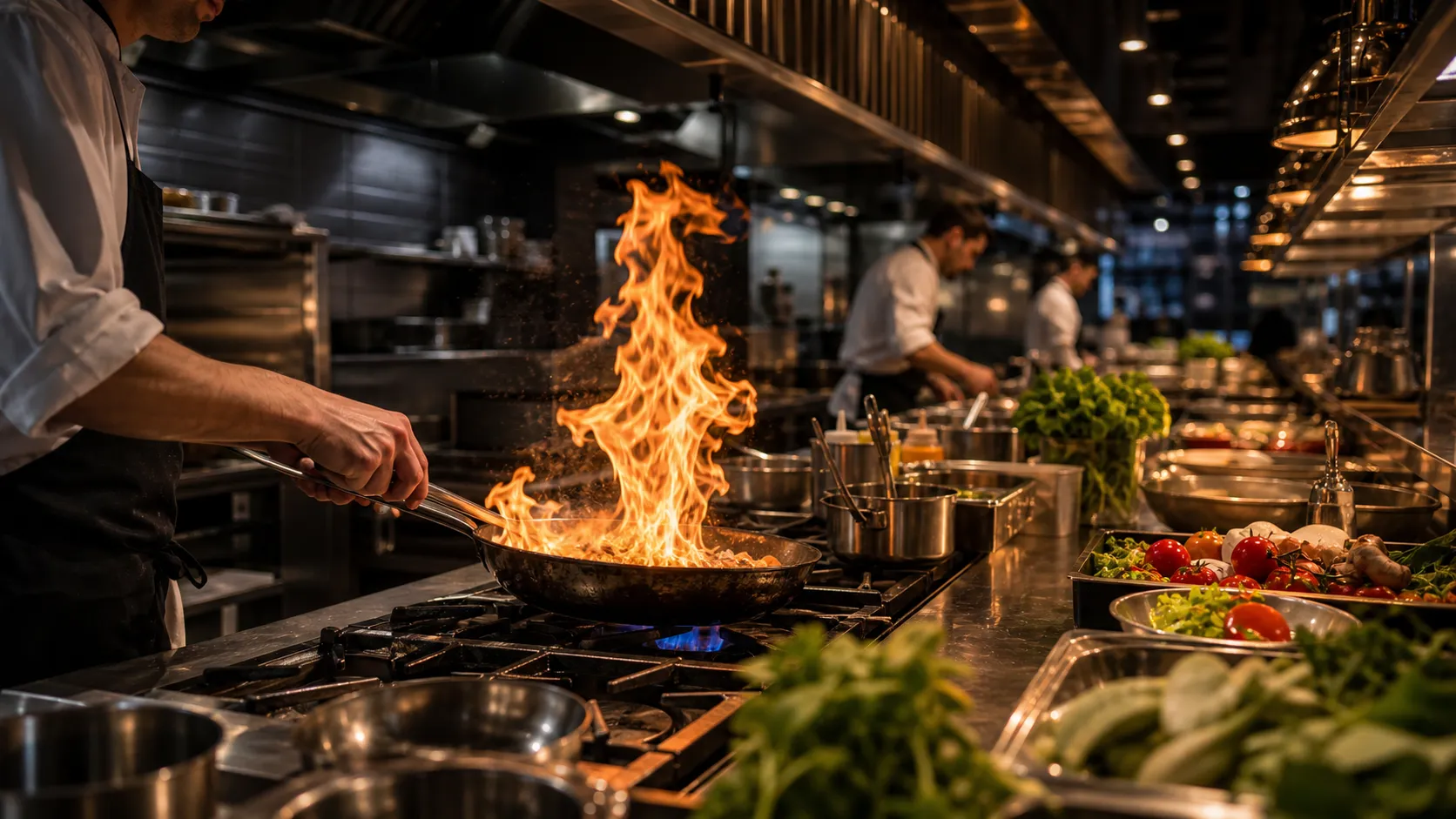
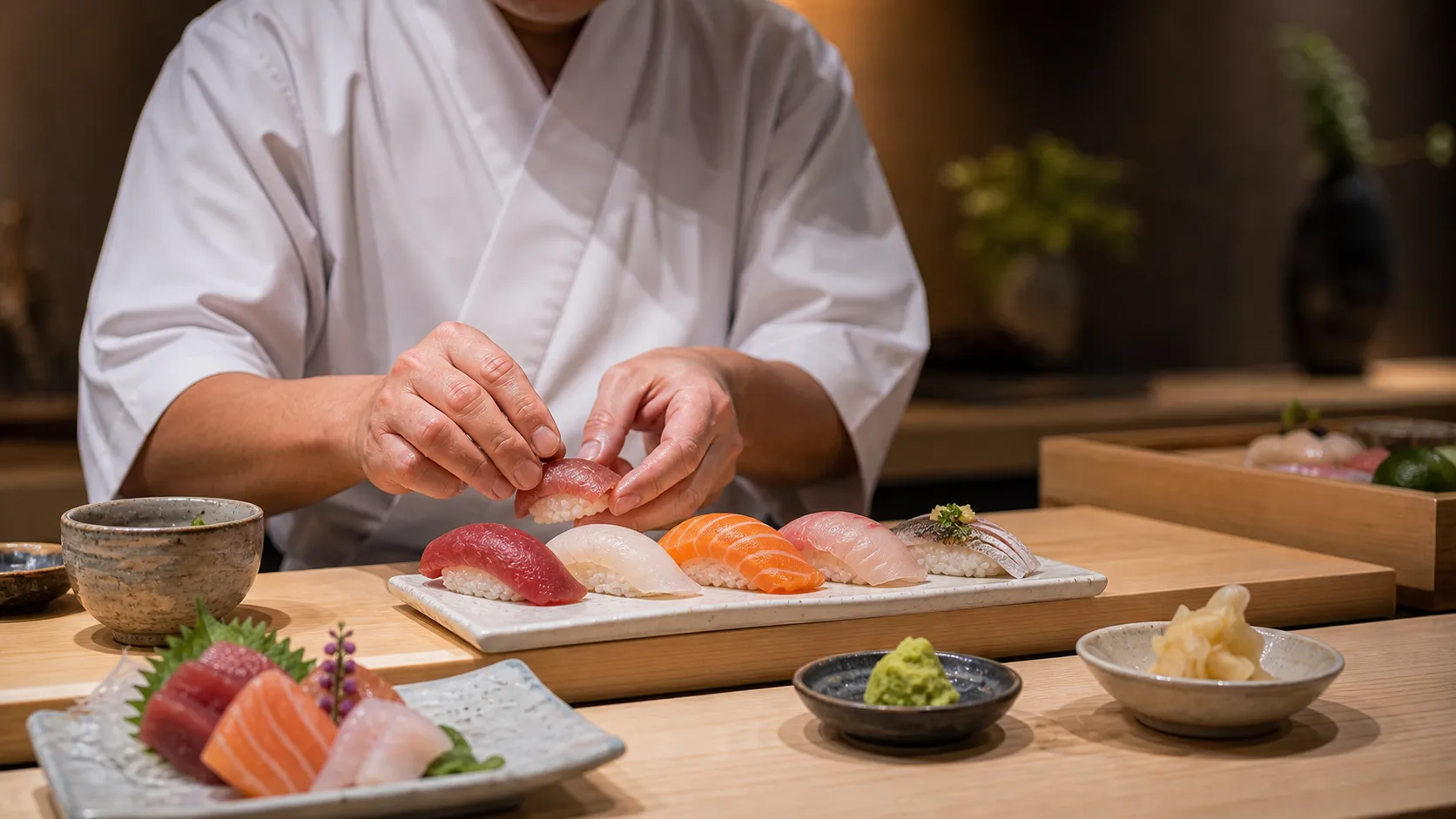
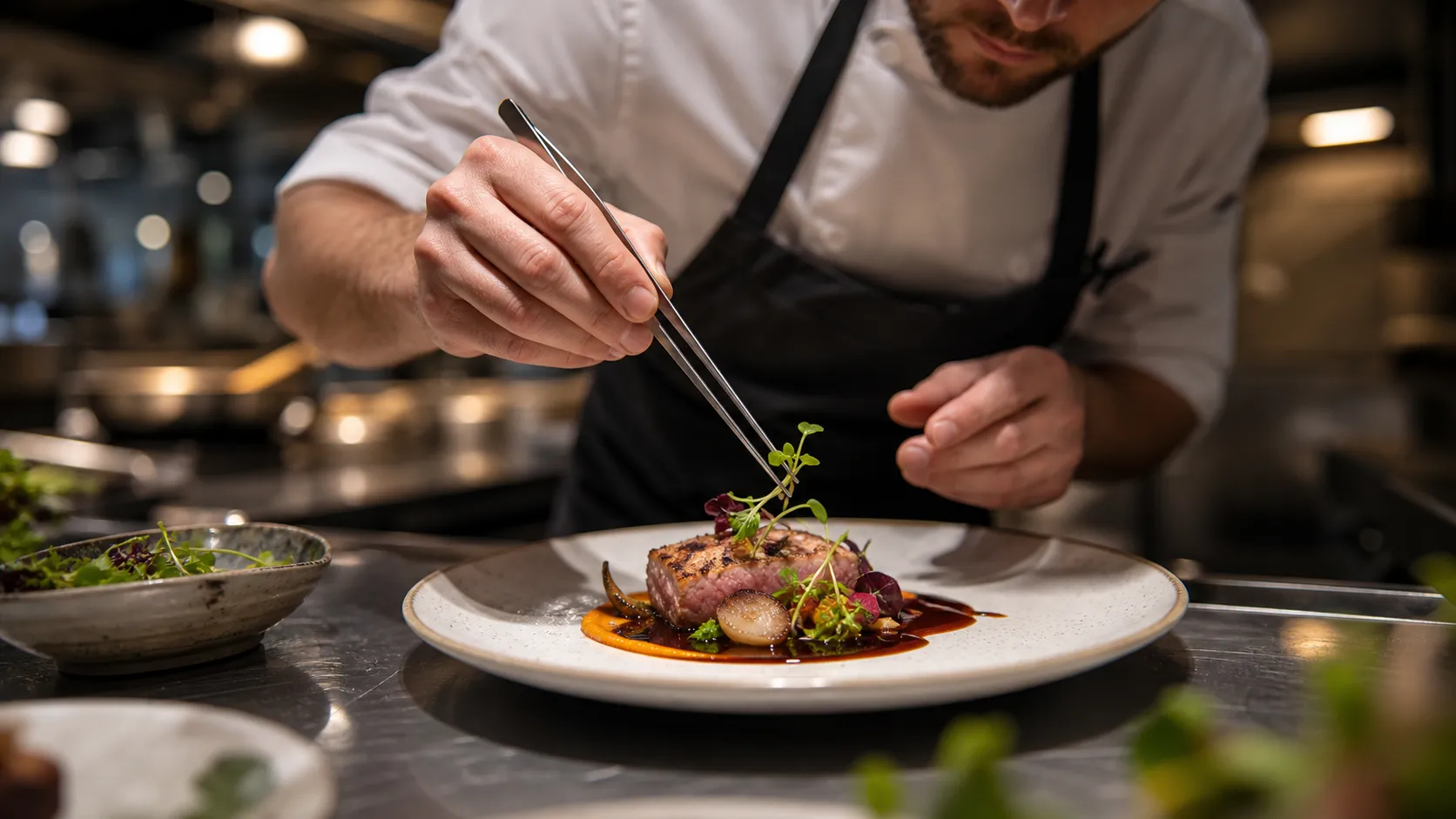
Each kitchen keeps its own discipline: flame, blade, flour, clay, sugar. The pass brings them onto one plate.
No. IV The Sourcing
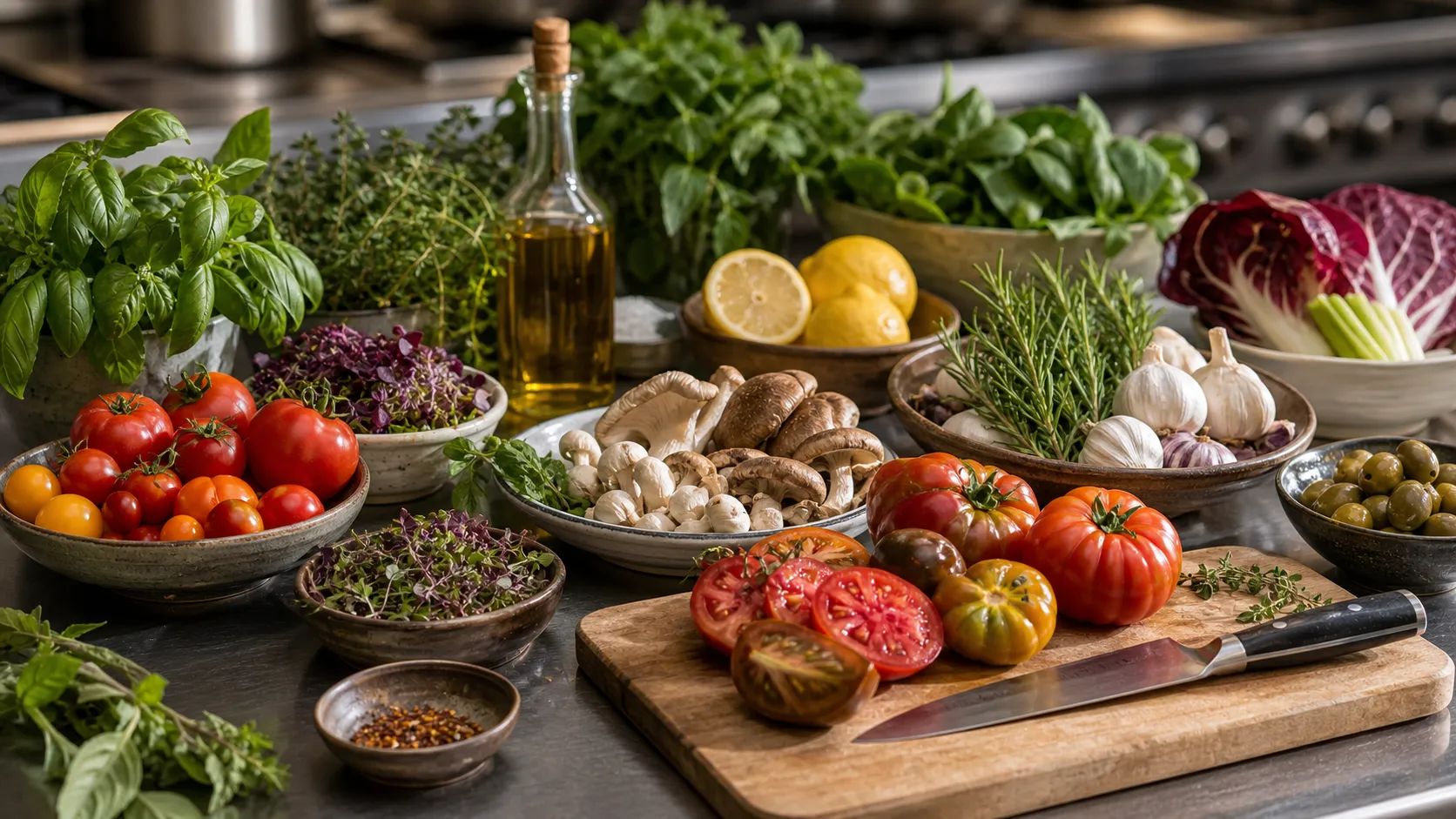
The produce van leaves for Crawford Market and the docks at 04:30, before the city has decided to wake. First pick of the pomfret, the season's first mangoes, crates still wet from the boats.
The herbs and the tomatoes come off our own roof, cut an hour before service. What arrives in the morning is gone by midnight. The kitchen owns no other calendar.
Crawford Market and Sassoon Docks, before sunrise: first pick or nothing.
Every grower within a day's drive of the city, paid on delivery.
What the morning brings, the evening serves. Nothing waits.
No. V The Room
Nobody at Candela recites specials at speed. The room is read, not worked: water refilled before it is missed, a chair drawn back half a beat before you reach it, the sommelier remembering what you drank on your last visit.
At the host stand sits a leather ledger: regulars' preferred tables, anniversaries, who takes their coffee black and who takes it slow. It has been kept by hand since the first night, and it is never finished.
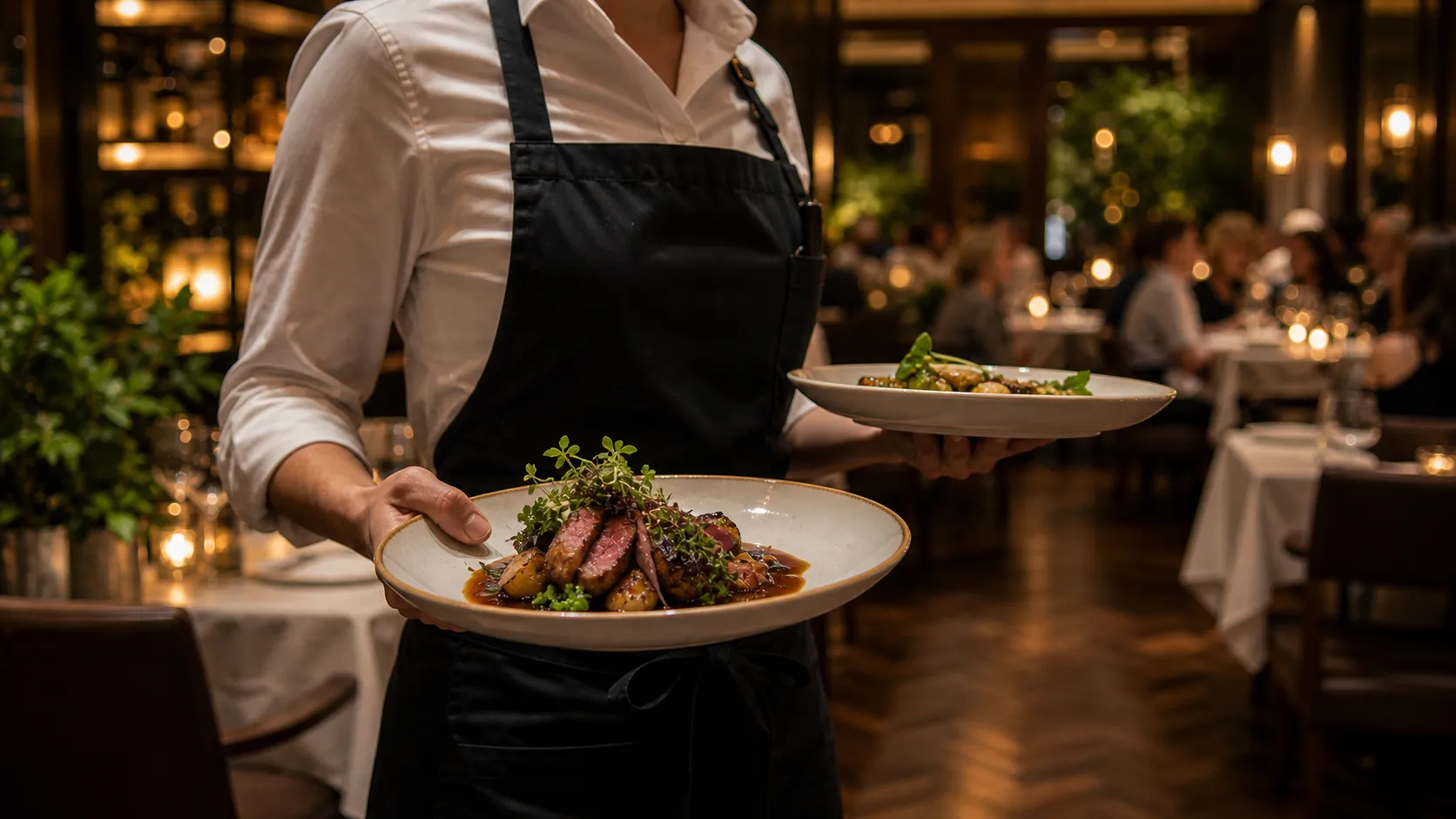
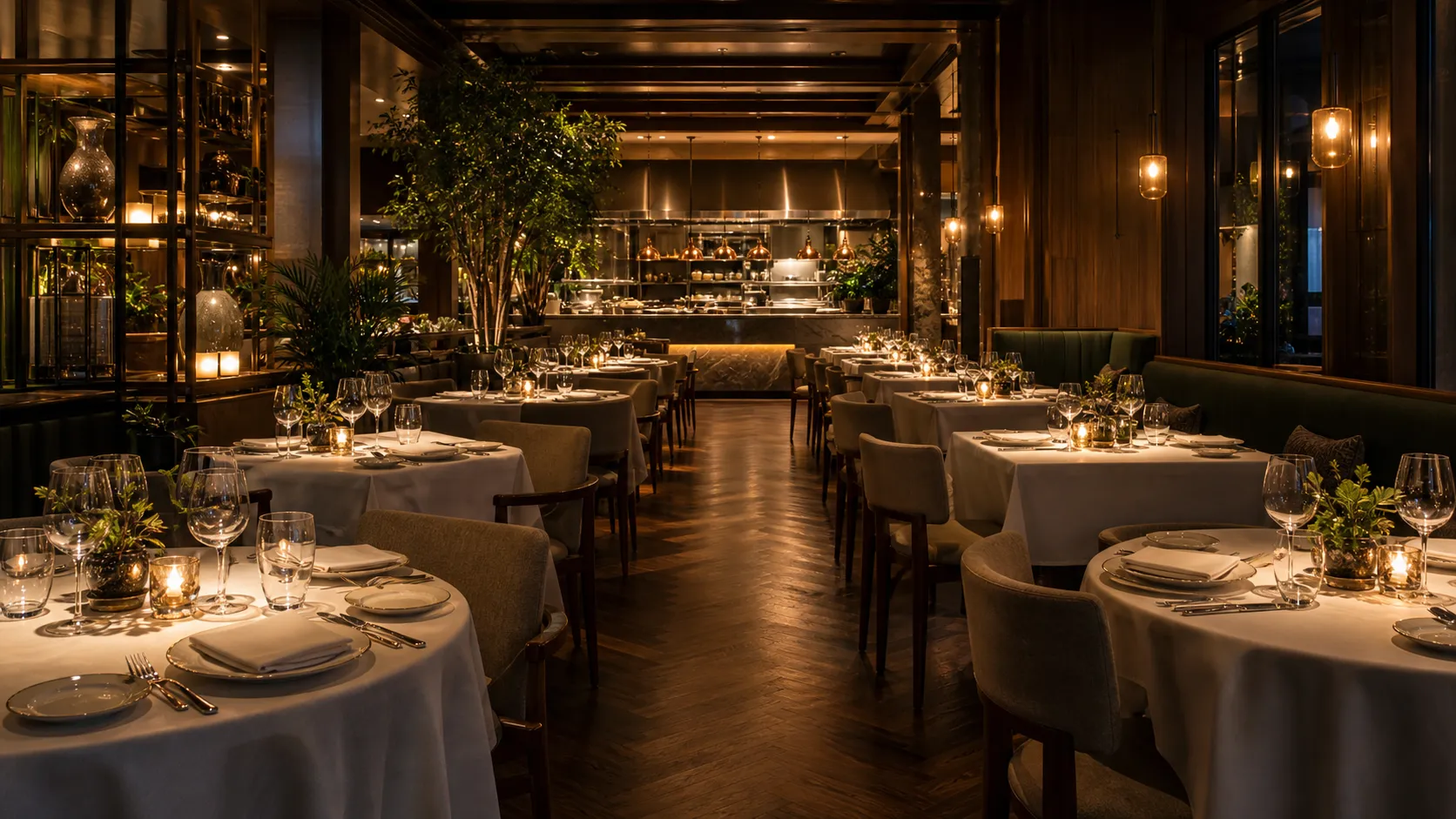
The dining room seats 86. Your table among them.