I
Provenance first
Every crate carries a farm name and a picking date. If we cannot say who grew it, we do not sell it.
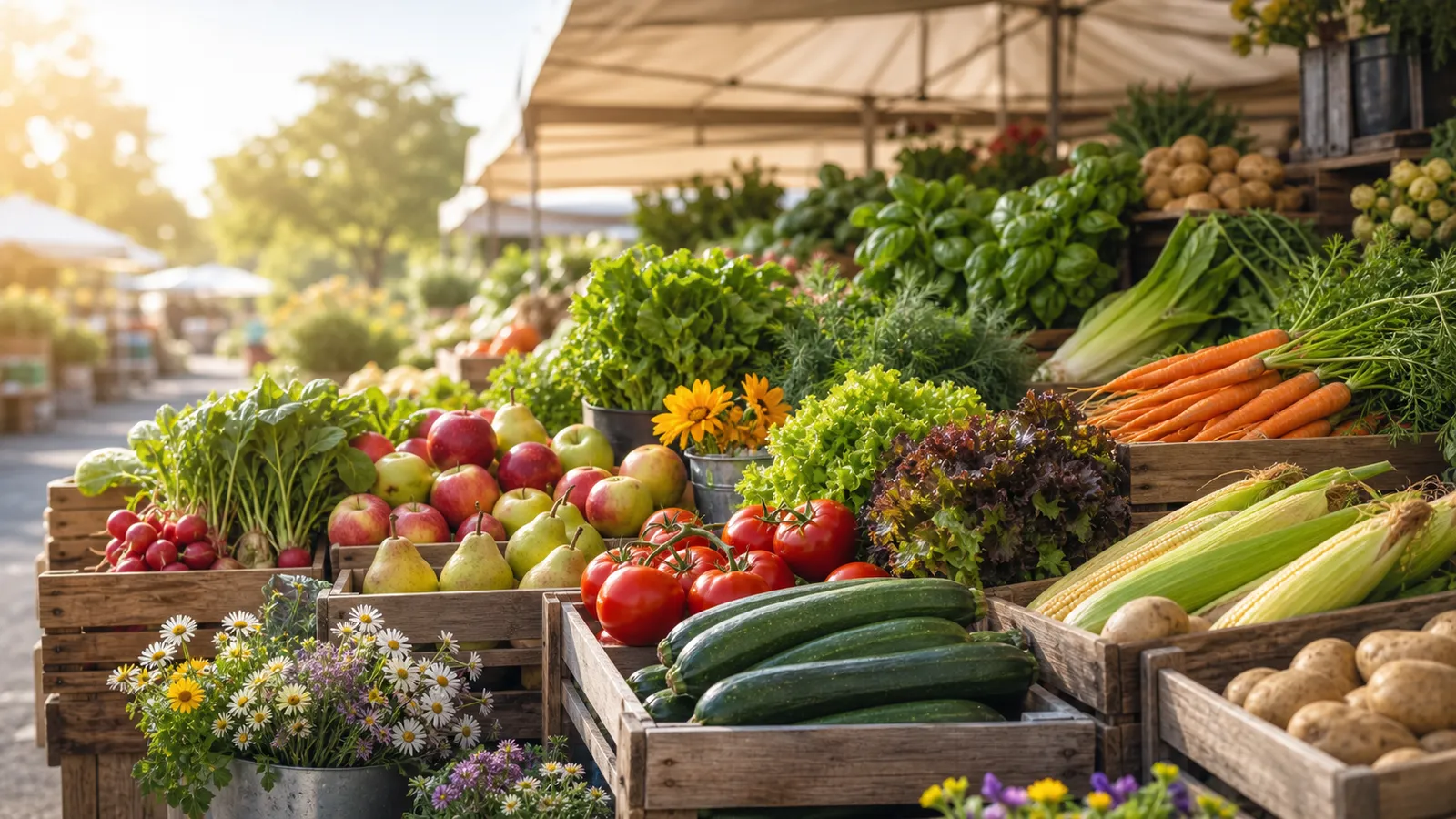
The Bombay Pantry has outlived fashions, franchises and at least four attempts to modernise the signboard. The standard, mercifully, survives.
Kaikhushru Pantry, as the first signboard read, opens with one marble counter, a Devgad mango ledger and a conviction that Bombay deserved better butter.
Our head buyer takes a corner at the wholesale mandi and first refusal on every grower's opening crate. The family has held both, and the standard, ever since.
The Bakehouse opens behind the shop with a levain culture that is still alive today. The brun pao queue begins that winter and has never quite ended.
We build our own cold rooms and refit the vans, so a Mahabaleshwar strawberry never feels a warm minute between the farm gate and your kitchen.
Two temperatures, one humidity, and wheels from the Jura sitting beside Kalimpong rounds. South Bombay's dinner parties have not recovered.
The counter learns WhatsApp. The buyers still pick every order by hand; the only thing that moves faster is the doorstep.
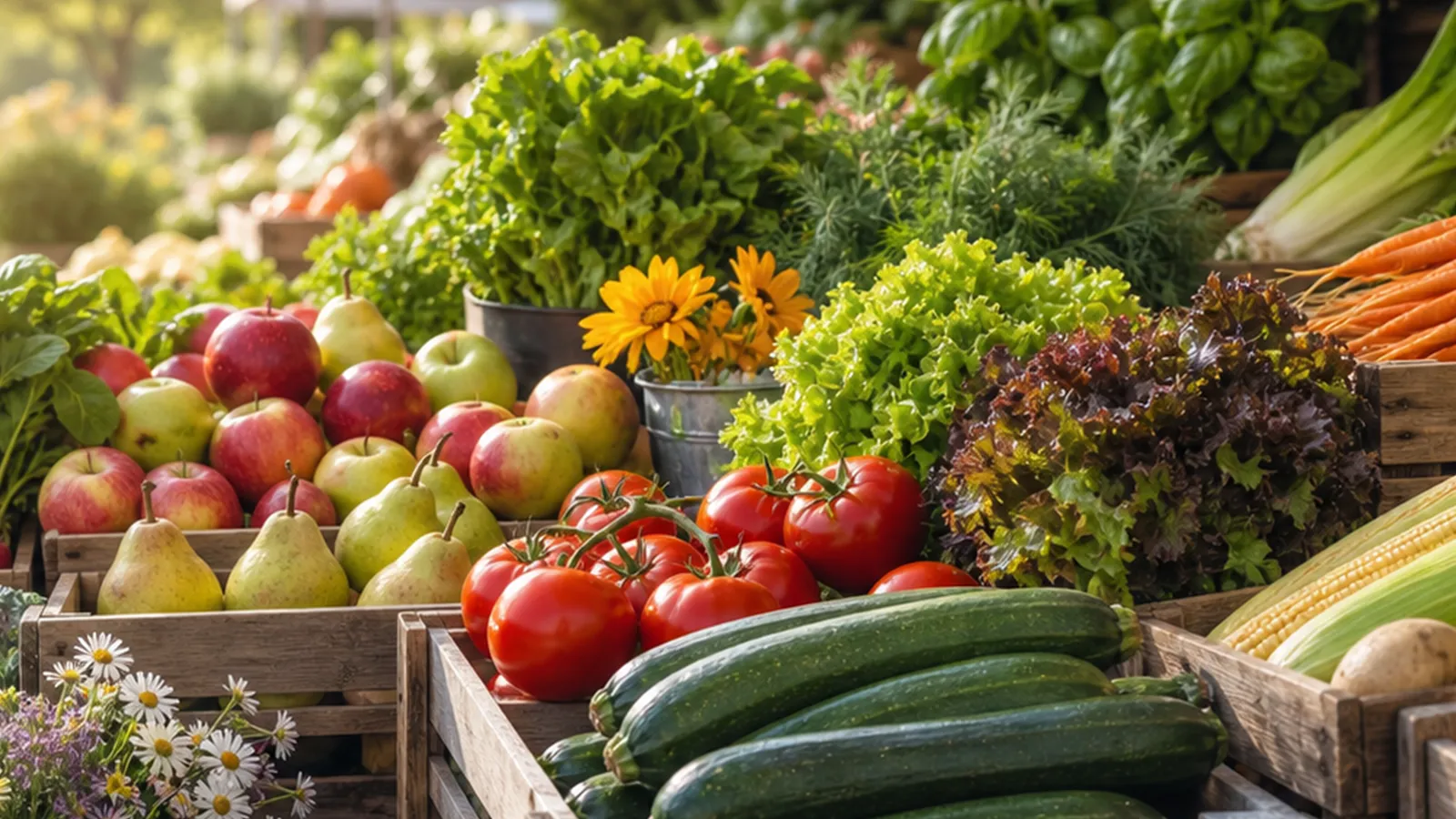
From Panchgani tomato terraces to the saffron tables of Pampore, our buyers travel the year round. Contracts are shaken on, not signed; several are older than the buyers themselves.
What this buys you is simple: a shop where every single thing has a name, a place and a person behind it.
Every crate carries a farm name and a picking date. If we cannot say who grew it, we do not sell it.
When the morning's pick falls short, the shelf stays empty. An apology costs us less than a bad tomato.
Two hundred partner farms, paid on delivery day at prices set before the season, never after it.
Yesterday's bread becomes today's crumb; bruised fruit becomes the staff table's chutney. Paper, never plastic.
“Sell the morning, never the evening.”K. D. Cooper, founder, 1962