The guest listis the design.
A spreadsheet of names is not a guest list. It is a floor plan, a route map and a timetable, written in the wrong format.
Hosts hand the house a column of names and think they have given it logistics. They have given it a drawing. Every name carries an arrival city, an age, a mobility, a relationship and an hour at which they will, without fail, want a drink. Read that way, six hundred guests stop being a number and become the single most demanding piece of design in the whole evening, more exacting than the stage, the florals or the menu, because it is the only element that moves on its own and changes its mind.
So the production office treats the list the way an architect treats a site survey. Before a single table is placed, every guest is sorted into flows: who arrives by air and needs a car, who is staying in the venue and will drift down in slippers, who is eighty-one and cannot manage the garden steps, who must be seated within sight of the stage and who must be seated nowhere near a particular cousin. Nine cities of arrivals collapse into one cue sheet, and that cue sheet is the real blueprint of the night.
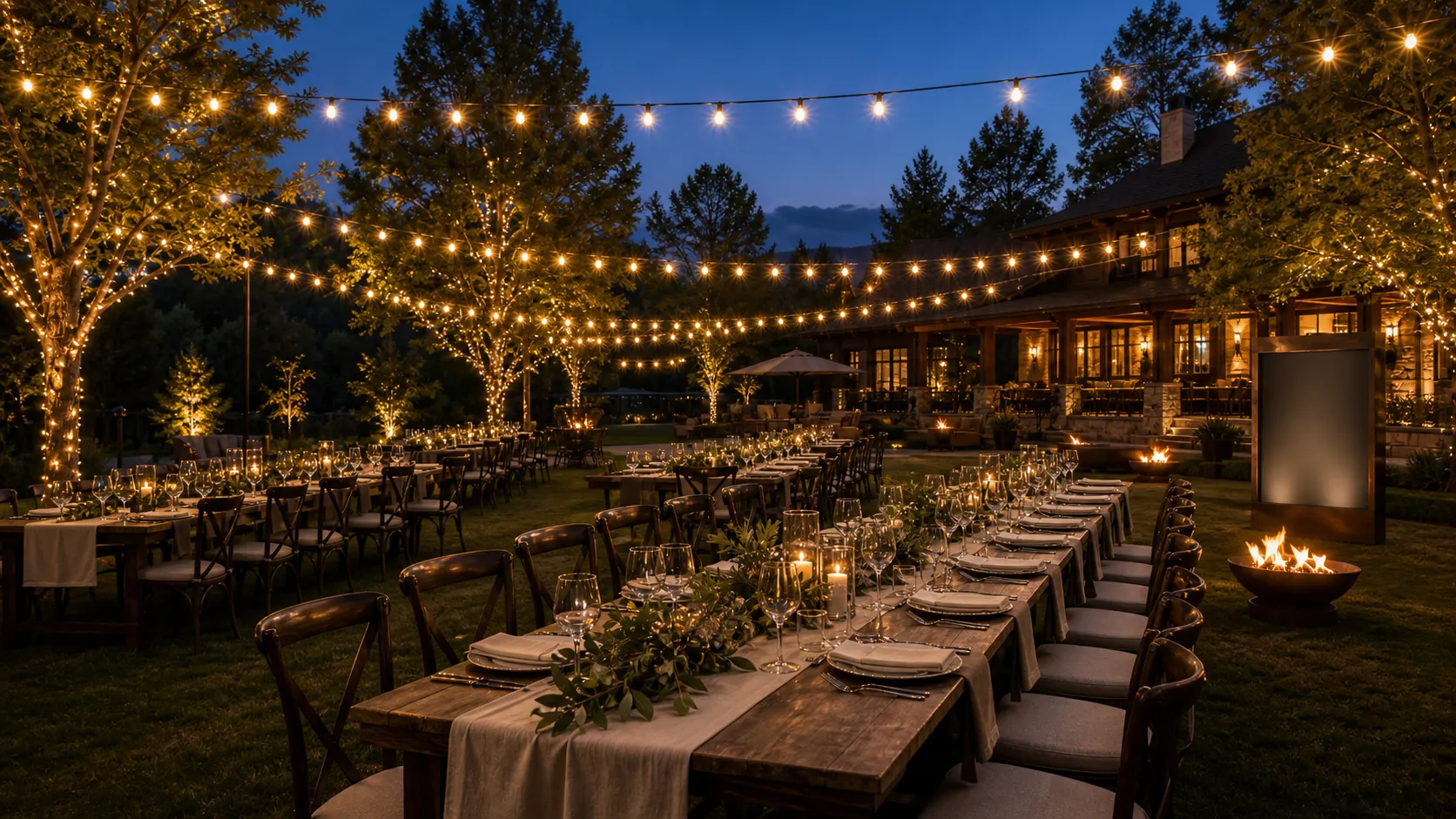
The arrival is the first impression of the build
A guest forms their entire opinion of an evening in the ninety seconds between the car door and the first drink. The house spends a disproportionate amount of its drawing time on those ninety seconds. Where does the car stop. How far is the walk, and is it lit and level. Who is the first face, and does that face know the guest’s name. How long until something cold is in their hand. A wedding can be flawless on the stage and still feel chaotic, simply because four hundred people arrived through one door in twenty minutes and nobody drew the queue.
Six hundred arrivals. Nine cities. One cue sheet, two hundred and twelve rows, and not one of them about flowers.
The cue sheet is where it all resolves. It is not a schedule of speeches; it is a minute-by-minute score of where the guests are as a body and what the house is doing to move them gently to the next place without ever making them feel moved. Doors open. Bars shift. A quartet starts in the far corner precisely because the crowd has pooled near the entrance and needs a reason to flow inward. Good hospitality is choreography that the guest experiences as their own free will.
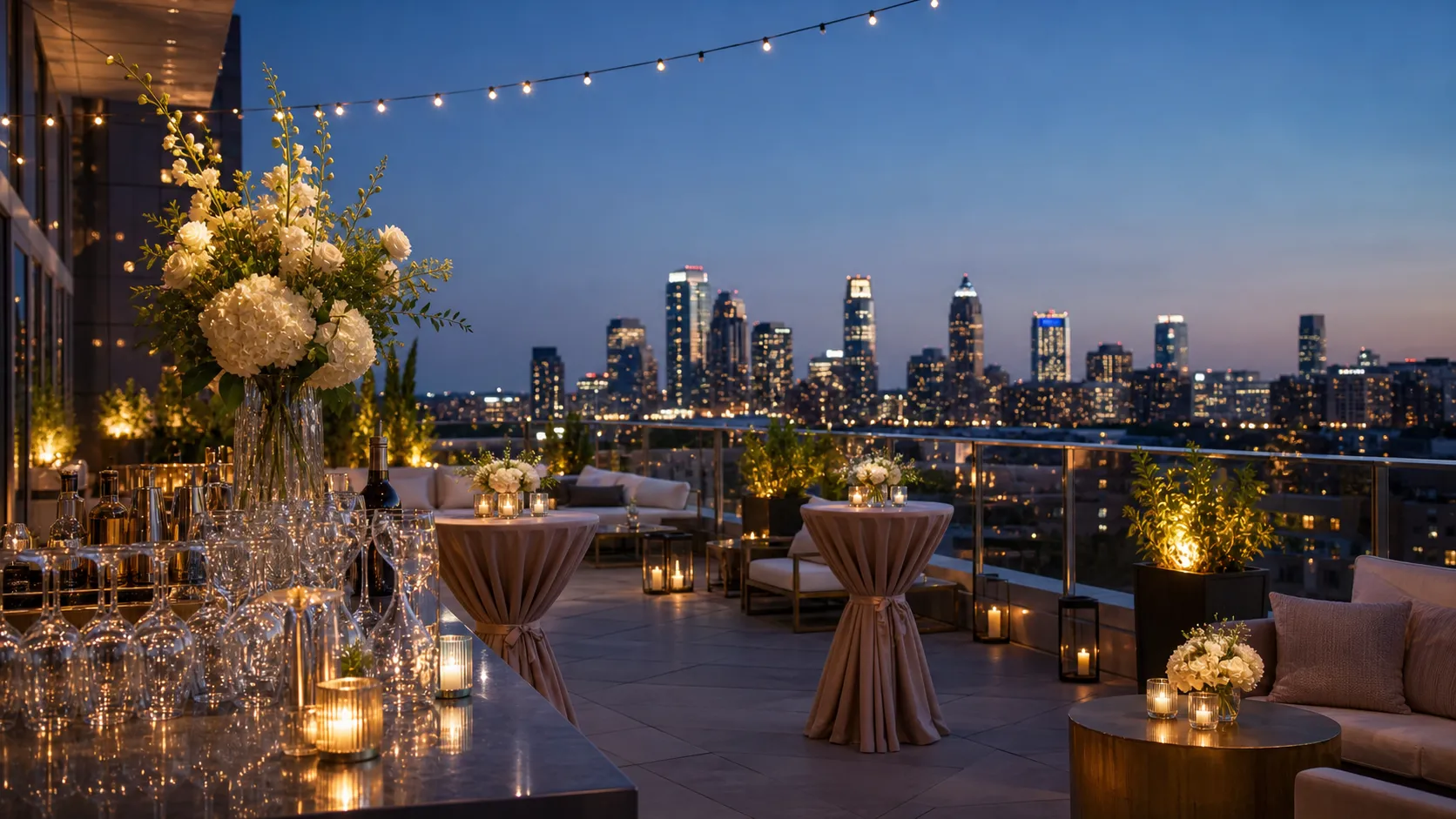
Care is a logistics problem before it is a feeling
The warmth a host wants their guests to feel is, underneath, a series of unromantic decisions made early. A grandmother’s chair placed where she can see the couple without being in the draught. A vegetarian count confirmed to the kitchen three times because the cost of being wrong is one humiliated guest, not one wasted plate. A quiet room, signposted to no one but known to the crew, for the relative who will need ten minutes away from the noise. None of it appears on a moodboard. All of it is what people mean when they say an evening felt looked after.
By the night itself, the list has been read so many times that the guest experience team can recognise a hundred faces and greet a dozen by name. The host sees a party that runs itself. What is actually running is a drawing, made months earlier, of how six hundred human beings will move through a few acres of the dark. The decor is what the evening looks like. The guest list is what it is.
WRITTEN BY THE PRODUCTION OFFICE · THE MEHFIL HOUSE, LOWER PAREL · MARCH 2026
Give us the names.We will draw the evening.
Begin an enquiryTHE HOUSE IS NOW RESERVING WINTER 2027