
Mumbai
Where the house keeps its soul
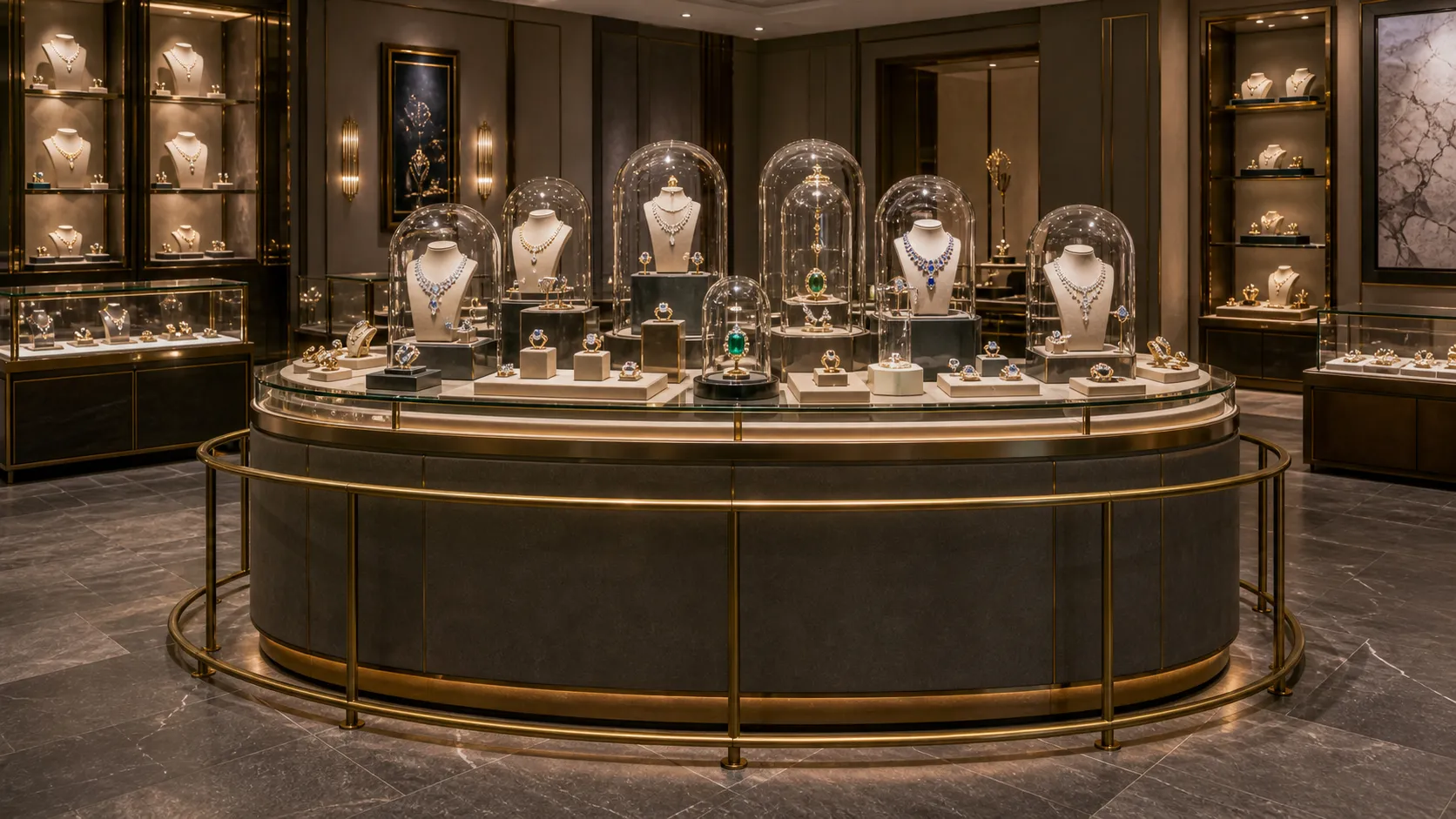
The bridal bench, the kundan and polki, the brides who return a generation later. The maison was born here and is still set by hand here.
Empire House, Dr D N Road, Fort, Mumbai 400001
The Maison · Est. 1908
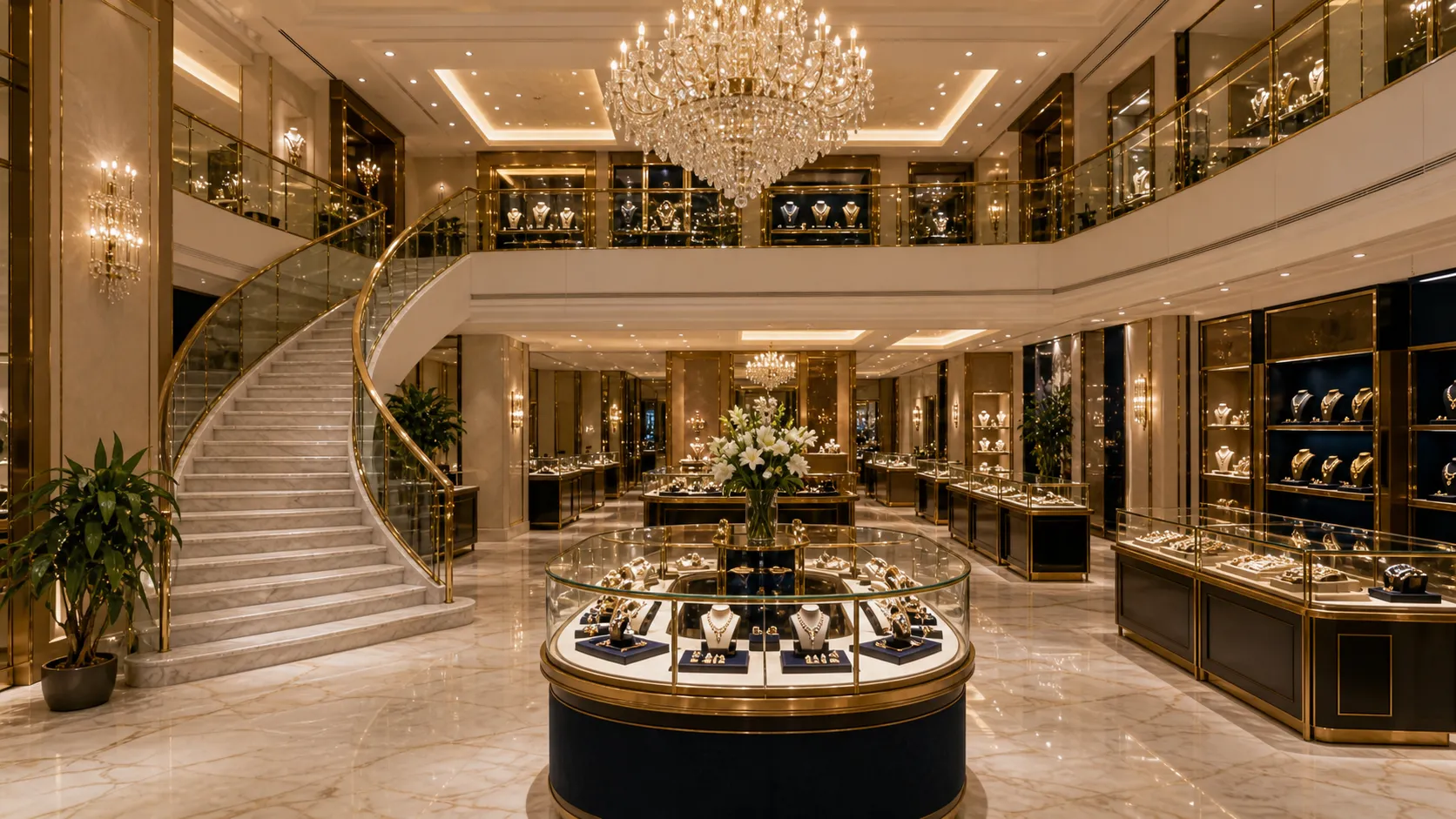
One maison, two homes. European savoir-faire and an Indian bridal soul, kept together for more than a century and shown the way light first found it.
The Origin · 1908
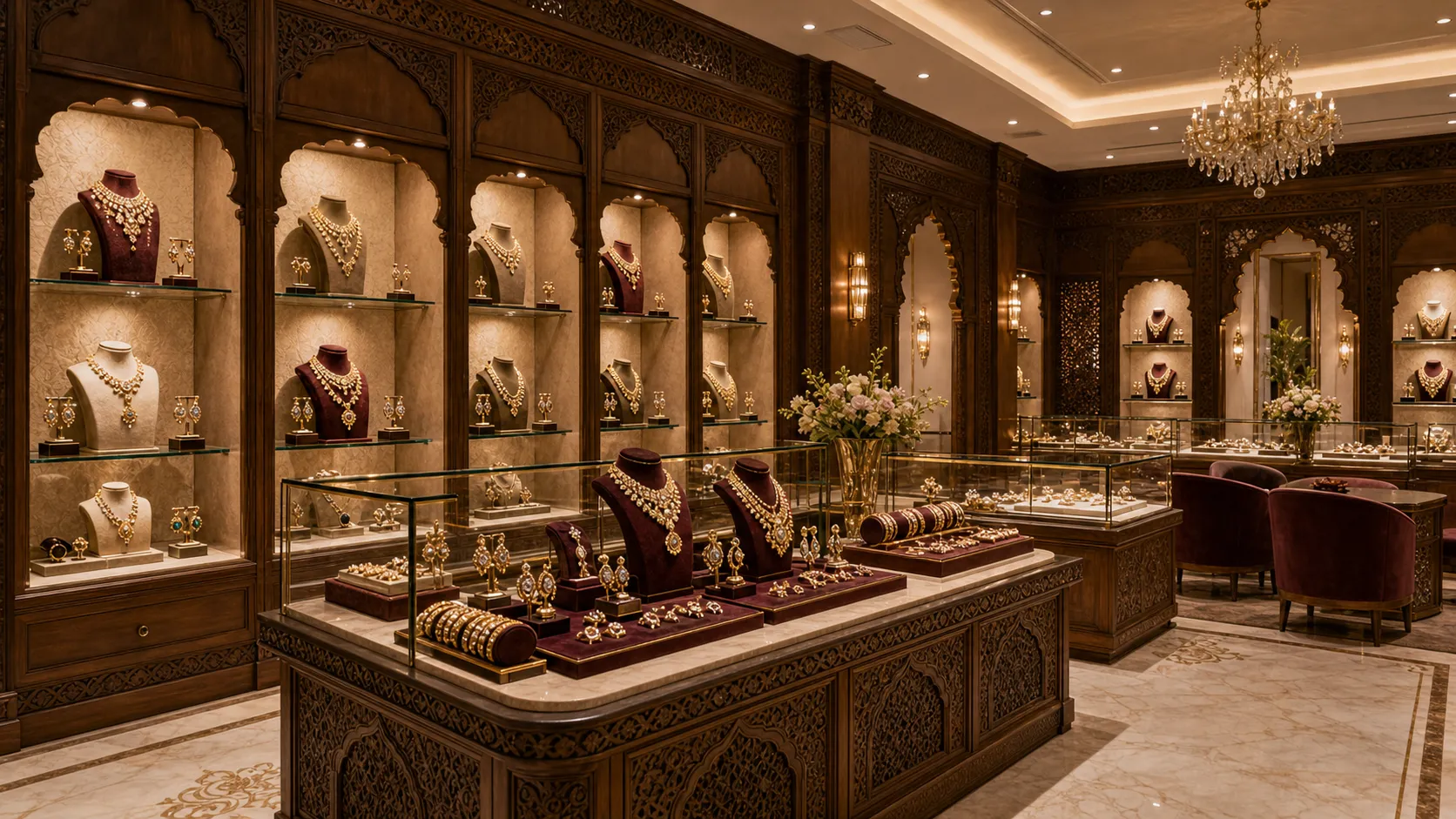
Varenne began in a single carved room in Bombay, where a young house cut diamonds by day and set bridal gold by lamplight. The founder kept two notebooks. One recorded the four Cs of every stone. The other recorded the songs sung at the weddings the jewels were made for.
More than a century later the maison still keeps both. It is a European diamond house and an Indian bridal atelier in one, and it has never asked either home to apologise for the other. Light is the common language. Everything else is lineage.
We do not sell jewels. We pass them on.
Provenance
The maison keeps three addresses and one discipline. A stone cut to a London report can be set into a Mumbai bridal suite, and shown in Dubai to a client who lives between all three.
Mumbai · London · Dubai
Where the house keeps its soul
The bridal bench, the kundan and polki, the brides who return a generation later. The maison was born here and is still set by hand here.
Empire House, Dr D N Road, Fort, Mumbai 400001

Where the house learned its discipline
Mayfair taught the maison the language of the loose stone, the certificate and the four Cs, and the quiet of a private salon.
18 Bruton Street, Mayfair, London W1J
Where the two homes meet
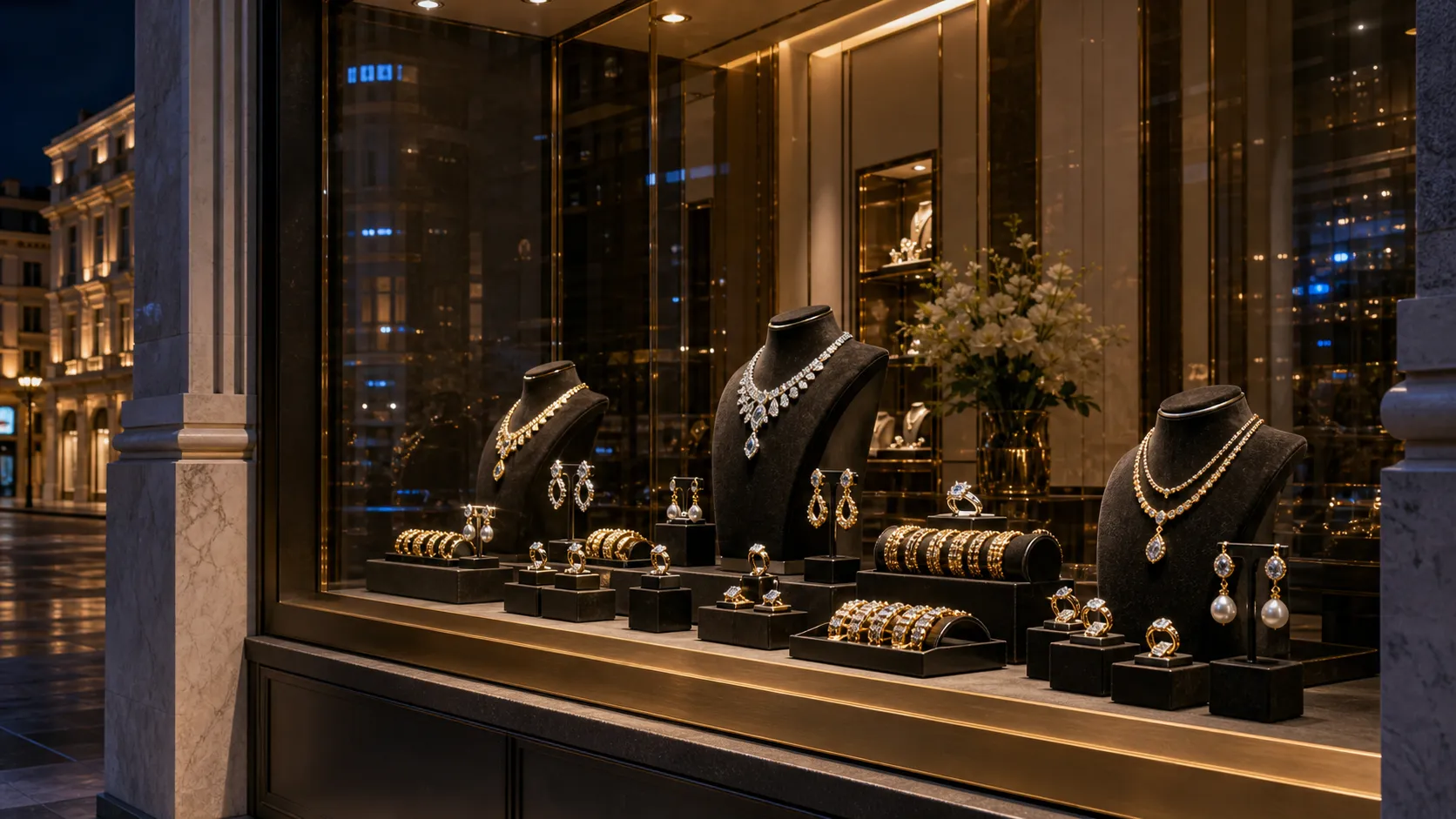
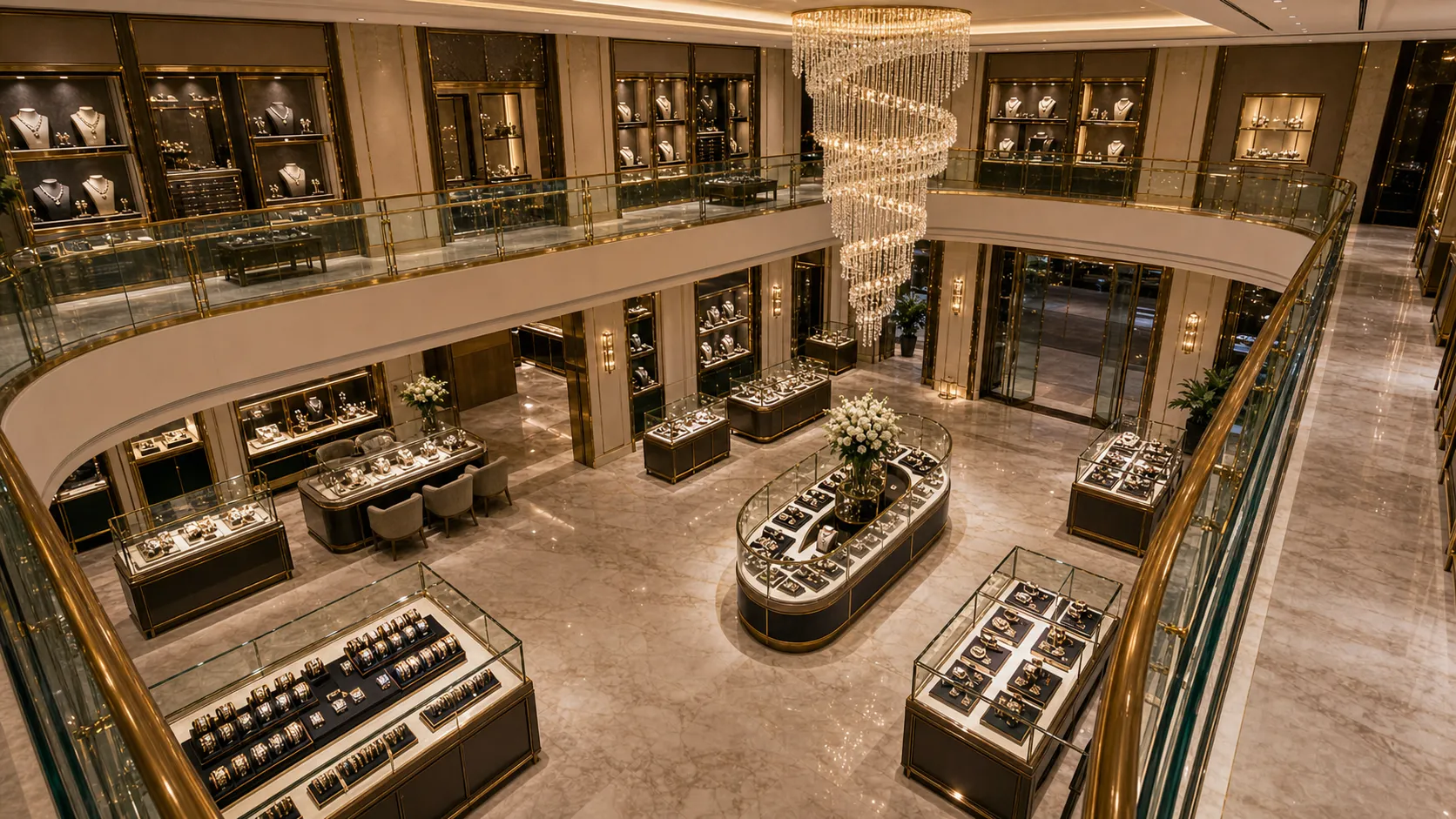
At the DIFC the European report and the Indian heirloom sit in the same vitrine, shown to clients who keep homes in both worlds.
Gate Village 7, DIFC, Dubai
The Workshops
Above the salons sit the benches. The maison is small enough that a piece is touched by people who know one another, and large enough that each of them does only one thing, for a lifetime.
The Lapidary
A stone is studied for weeks before the first facet. The lapidary cuts for fire, not for weight, and lets a carat go if the light asks for it.
The Setter
Each claw and grain is raised and burnished by hand, so the stone is held by light and not buried in metal. Nothing is cast where it can be built.
The Polisher
The piece is polished, sent for assay, and struck with the Varenne mark and its purity stamp. Only then does it earn the box.
Savoir-Faire · Transmission
A craft is not taught in a season. It is handed down, one corrected mistake at a time, until the apprentice cuts the way the master used to and the master can let go.
Every Varenne artisan trains for years beside another before a piece leaves the bench under their own hand. Jadau, polki, the raised claw and the read of a rough stone are skills the maison protects by using them, every day, on real commissions.
Inside the atelierOur Commitments
Responsible sourcing
Diamonds are bought through the Kimberley Process and chain-of-custody houses. Gold is recycled or refined to standard. Provenance is recorded, not assumed.
Lifetime care
Every Varenne piece returns for cleaning, tightening and re-polishing for as long as it is worn. An heirloom is a promise that outlives the sale.
Certification
BIS Hallmarked gold. IGI and GIA certified diamonds, each with its certificate and lot number. The four Cs recorded to the hundredth, in writing.
Lineage & Recognition
Meet the Maison
A jewel is best understood in the hand. Visit a boutique in Mumbai, London or Dubai, or sit with a client advisor in a private salon.
Mumbai · London · Dubai